





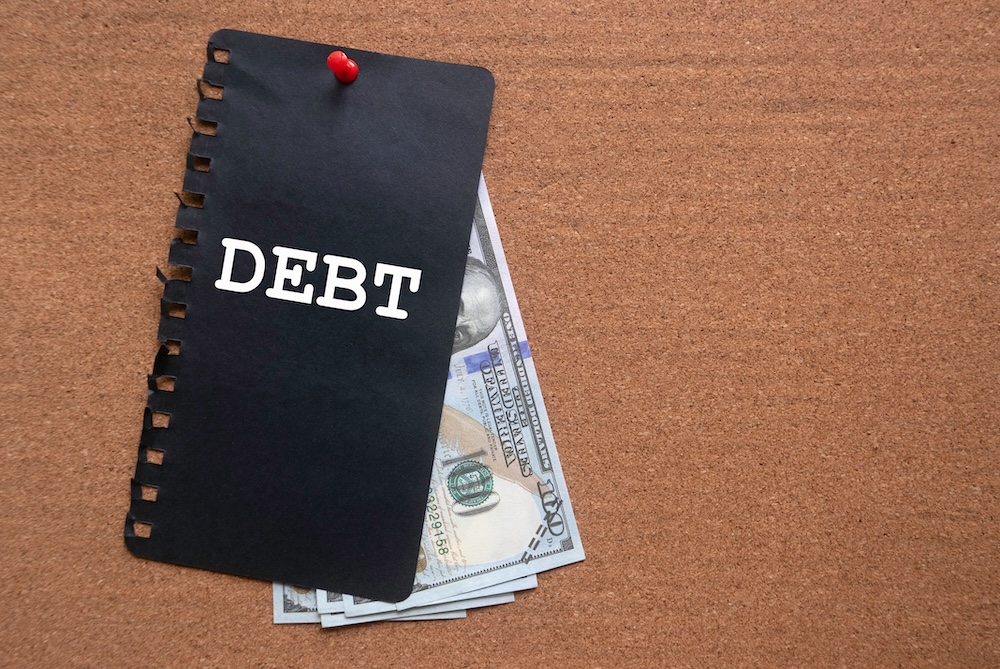
Debt settlement can be a powerful option for individuals overwhelmed by unmanageable debt. It allows borrowers to negotiate directly with creditors to reduce what they owe and create a realistic payment plan. When used wisely, debt settlement can help restore financial stability and prevent more severe outcomes, such as bankruptcy.
In this guide, we’ll explain how debt settlement works, what benefits and risks it carries, and how reputable financial institutions can help you navigate the process effectively.
What Is Debt Settlement?
Debt settlement is a form of debt relief that allows individuals to settle their debts for less than the total amount owed. Instead of continuing minimum payments indefinitely, the debtor negotiates with creditors to agree on a reduced lump sum or modified payment plan.
This approach is often used by people who:
- Have fallen behind on payments
- Are unable to maintain minimum monthly obligations
- Are seeking an alternative to bankruptcy
When done correctly, debt settlement can significantly reduce debt and accelerate the path toward financial recovery.
Benefits of Debt Settlement
Debt settlement can offer several advantages to individuals struggling with overwhelming financial obligations.
1. Reduced Total Debt
The primary benefit is a lower overall balance. Creditors may agree to accept a portion of what’s owed as full payment, helping individuals clear debts at a fraction of the cost.
2. Lower Monthly Payments
By restructuring the repayment plan, individuals can make more affordable monthly payments that align with their budget, easing immediate financial pressure.
3. Faster Debt Repayment
Settling debt often shortens the repayment timeline compared to paying minimum amounts over many years. This allows individuals to move forward with financial rebuilding sooner.
How Debt Settlement Works
Debt settlement typically follows a structured process with three key stages: financial assessment, negotiation, and repayment.
1. Financial Assessment
The process begins with a comprehensive review of your finances — income, expenses, and total debt obligations. Understanding what you can realistically pay each month is critical before entering negotiations.
2. Negotiation with Creditors
Once you have a clear financial picture, the next step is negotiating with creditors. This process may involve:
- Explaining your financial hardship
- Providing documentation such as income statements and expense reports
- Proposing a reduced settlement amount or lump-sum payment
Working with a reputable financial institution or debt settlement company can make this stage more effective. Trusted organizations like Bank of America often have teams that specialize in debt relief solutions and can handle negotiations on your behalf.
3. Making Payments
After reaching an agreement, you’ll begin making payments according to the new settlement plan. This may involve sending monthly payments to a debt settlement company or directly to creditors. Staying consistent is key — missed payments can void the agreement.
Step-by-Step Guide to the Debt Settlement Process
Step 1: Evaluate Your Finances
- Gather your financial information, including all outstanding debts and income sources.
- Determine how much you can reasonably contribute toward repayment each month.
- Consider seeking professional help from a financial advisor or an organization like Bank of America to guide you through this stage.
Step 2: Negotiate with Creditors
- Contact creditors directly or work through a settlement specialist.
- Provide clear proof of financial hardship.
- Be ready to make counteroffers to reach a mutually acceptable amount.
Professional negotiators can often secure lower settlement amounts by leveraging established relationships with lenders.
Step 3: Complete Your Payment Plan
- Once an agreement is finalized, make every payment on time.
- Consider automating payments to prevent missed due dates.
- Keep detailed records of every transaction for reference and credit verification.
Sticking to the plan demonstrates reliability and helps rebuild your financial reputation over time.
Understanding the Risks of Debt Settlement
While debt settlement can provide relief, it’s essential to weigh the potential drawbacks before committing.
1. Impact on Credit Score
Settling debt for less than the full amount owed typically results in a negative mark on your credit report. Accounts may be labeled “settled” rather than “paid in full,” temporarily lowering your credit score.
2. Tax Implications
The IRS considers forgiven debt as taxable income. For example, if you settle a $10,000 debt for $6,000, the $4,000 forgiven may be subject to taxes. Always consult a tax professional before finalizing a settlement.
3. Potential Legal Action
Some creditors may still pursue legal collection efforts, such as lawsuits, if an agreement is not reached. While settlement can reduce this risk, it’s not a guaranteed safeguard.
The Role of Financial Organizations
Reputable financial organizations — including Bank of America and similar institutions — can be valuable allies during the debt settlement process.
They can:
- Assess your eligibility for settlement or other relief programs
- Negotiate directly with creditors on your behalf
- Provide financial counseling and long-term recovery plans
- Offer alternative solutions like consolidation loans or hardship assistance
These institutions combine expertise and credibility, helping individuals navigate complex debt situations with greater confidence and protection.
When to Consider Debt Settlement
Debt settlement may be a good option if:
- You’ve fallen significantly behind on payments
- Your debts are unsecured (credit cards, medical bills, etc.)
- You’re unable to qualify for traditional consolidation loans
- You’re considering bankruptcy but want to explore alternatives
If you still have stable income and the ability to make smaller payments, settlement can be a strategic middle ground.
Conclusion
Debt settlement can be an effective path toward financial freedom for individuals facing overwhelming debt. It provides an opportunity to negotiate lower balances, simplify payments, and regain financial stability without resorting to bankruptcy.
However, it’s important to fully understand the risks — including credit impact and potential tax obligations — before proceeding. By working with a trusted financial organization like Bank of America, you can ensure the process is handled ethically, transparently, and in alignment with your financial goals.
With discipline, professional guidance, and a commitment to change, debt settlement can be the first major step toward rebuilding your financial life and achieving lasting stability.
