






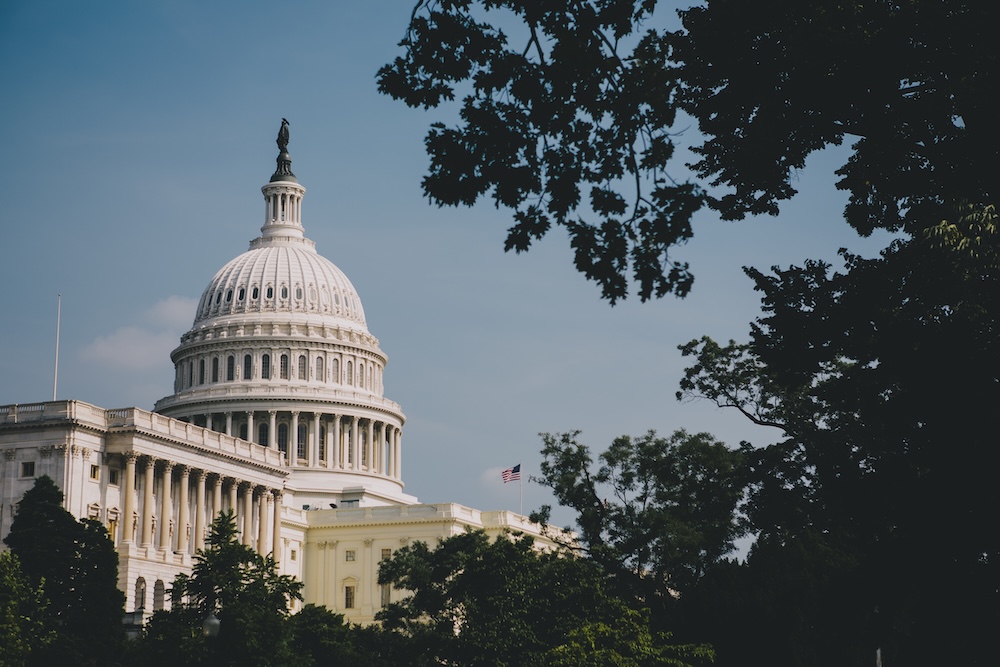
The final days of September 2025 are shaping up to be a turning point for U.S. financial markets. Investors are facing a triple test: the upcoming September jobs report, a possible government shutdown in Washington, and a divided Federal Reserve still debating how far and how fast to cut rates. Together, these factors could set the tone for markets as we head into the final quarter of the year.
This article unpacks what’s at stake, why it matters, and how everyday people — whether investing, paying off debt, or living paycheck to paycheck — can prepare for what comes next.
The Jobs Report: The First Domino
Few data releases move markets like the monthly jobs report. Scheduled for release this Friday, the September nonfarm payrolls number could confirm or challenge the Fed’s view that the labor market is cooling.
- Why it matters: The Fed has been seeking signs of a softer job market to justify cutting interest rates. August already showed slowing wage growth and more unemployment claims.
- What markets expect: Analysts anticipate job gains of around 140,000, a slowdown from 187,000 in August. The unemployment rate is projected near 4.2% (Bureau of Labor Statistics, Sept. 2025).
- The risk: If job growth is much weaker, Wall Street may cheer more rate cuts, but Main Street may feel the pain of layoffs, reduced hours, and wage stagnation.
A stronger-than-expected jobs report, on the other hand, could push bond yields higher and force the Fed to slow its rate-cut plans. Either way, households will feel the ripple effects in borrowing costs, paychecks, and job security.
Fed Officials Split on the Path Forward
The Federal Reserve cut its policy rate by 25 basis points earlier this month, breaking a long period of “higher for longer” policy. But divisions inside the central bank are widening.
- The dovish camp: They argue inflation is cooling quickly, pointing to weak manufacturing data and softer wage gains.
- The hawkish camp: They warn that sticky prices in services and housing show inflation is not yet defeated.
The jobs data could tilt the debate either way. For households, this isn’t abstract. If the Fed cuts too slowly, debt remains expensive. If it cuts too fast, inflation could reignite, eroding purchasing power.
Government Shutdown Looms
Funding for federal agencies expires on September 30. Unless Congress passes a stopgap measure, a shutdown begins.
- Impact on markets: A shutdown could delay economic data releases (like jobs or inflation), leaving markets to trade with incomplete information.
- Impact on households: Federal workers may miss paychecks. Families awaiting tax refunds or loan approvals could face delays. Some social programs could pause.
- Investor sentiment: Markets already uneasy about valuations and rates may not respond kindly to more political brinkmanship.
What This Means for Everyday People
Financial headlines can sound distant, but these events impact real households.
- Borrowers: Mortgage and credit card rates track Fed policy. Cuts could ease pressure, but banks often lag in passing savings to borrowers.
- Savers: Lower rates mean weaker returns on savings accounts and CDs — a setback for people who finally saw decent yields after years of near-zero interest.
- Workers: A weakening job market could mean fewer hours or layoffs. A shutdown could also delay paychecks for government workers and contractors.
- Consumers: Families relying on benefits or refunds may face temporary income shocks if Washington fails to act.
Tiered Tips for Different Situations
If you only do one thing today:
- Set aside even $20–50 in cash or a separate account. If benefits or paychecks are delayed, even a small buffer helps.
If you’re living paycheck to paycheck:
- Call your utility company or lender to ask about hardship or deferment options. Many offer relief if income is disrupted.
- Track essential bills (housing, food, transportation) and know what can be delayed without penalty.
If you’re paying down debt:
- Prioritize high-interest balances. Even if rates fall, credit cards remain expensive.
- Ask lenders about hardship programs in advance — not after you miss a payment.
If you’re investing or saving for retirement:
- Avoid knee-jerk moves. Consider gradually rebalancing into quality bonds or defensive stocks instead of making wholesale changes.
- Keep a portion of your portfolio in cash or short-term Treasuries for flexibility.
Shutdown Survival Checklist
- List your essential bills. Housing, food, utilities, and healthcare come first.
- Stock basics. Keep at least a week of groceries and medications on hand.
- Check your benefits. Know whether Social Security, Medicare, or unemployment payments could be delayed.
- Create a fallback plan. If federal services pause, look for local or state resources that may fill gaps.
- Document income. Keep digital and paper copies of pay stubs in case delays impact credit reporting.
Why Investors Are Nervous
- Valuations are stretched. The stock rally is concentrated in mega-cap names, leaving the market fragile.
- Bonds are volatile. Treasury yields swing with every Fed signal, raising risks for borrowers and investors alike.
- Uncertainty is layered. Jobs data, Fed divisions, and political brinkmanship are hitting at the same time.
This makes defensive strategies — diversification, cash flow management, quality over speculation — especially important.
Reading Between the Lines: Framing vs. Facts
When it comes to economic data, there’s a difference between framing and fraud.
- Framing means emphasizing certain aspects of a report to shape perception. For example, pointing to a jobs revision as “evidence of bad data” while ignoring that revisions are standard practice.
- Fraud would mean deliberately fabricating numbers — something for which there is currently no public proof.
At this point, the weight of evidence suggests more framing than fabrication. But framing still matters. If political leaders repeatedly question official statistics, public trust erodes. Without trust, households, businesses, and investors can’t make confident decisions.
What to Watch
- Consistency across sources: Compare BLS data with private payroll surveys like ADP and state-level reports. If trends match, the numbers are likely sound.
- Transparency of revisions: Revisions happen, but they should be explained clearly and not appear politically timed.
- Legal checks: Cases like Cook v. Trump show courts are willing to scrutinize attempts to interfere with independent institutions.
- Whistleblowers: Insider testimony or documents could shift the picture dramatically.
FAQs
Will a shutdown delay my Social Security check?
No. Social Security checks are expected to continue, but services like new applications or call center support may slow down.
Do Fed rate cuts immediately lower my credit card interest rate?
Not usually. Credit card APRs remain high even when the Fed cuts rates. Expect small improvements over months, not overnight relief.
What happens if the jobs report is delayed by a shutdown?
Markets may trade without official data, increasing volatility. Investors may rely more heavily on private-sector surveys until government reporting resumes.
The Bigger Picture
September’s final act is a reminder that financial stability is not just about market charts — it’s about how policy, politics, and paychecks collide. For investors, workers, and families, resilience matters more than prediction.
Whether you’re investing for retirement, climbing out of debt, or just trying to keep food on the table, the weeks ahead will test flexibility. Rate cuts, jobs data, and shutdown risks may grab headlines, but the decisions you make at home — setting aside savings, calling creditors, preparing for disruptions — matter most.
